Could maramataka be a method of navigating the diverse and ever-changing Antarctic environment?
Here’s where my research comes in. We understand how Māori have harmonised with the natural environment through maramataka of Aotearoa, but the tohu of sun, stars, moon, flora and fauna are very different in the deep south.
In Antarctica:
- Sun doesn’t set below horizon for ~6 months of the year, sun doesn’t rise above horizon for the other 6 months
- Star constellations are not the same at the lower latitude, and not visible during summer when the sun is above the horizon 24/7.
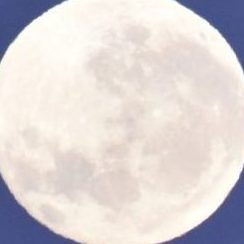
- Moon doesn’t set below the horizon for ~2 weeks of the month, moon doesn’t rise above horizon for other 2 weeks
- Antarctica is experiencing environmental impacts from human-induced climate change. Aotearoa is affected by changes in Antarctica; sea level rise, ocean temperatures, etc.
I’m conducting fieldwork in Antarctica between October and November 2025, to record observations of these tohu and begin to analyse how these may fit into a new maramataka of Antarctica. That way, when it comes to climate change adaptation and attuning to the signals of the environment, we have tools in place inspired by those that Māori have been utilising for generations already.
 Alyssa in Antarctica
Leave a comment