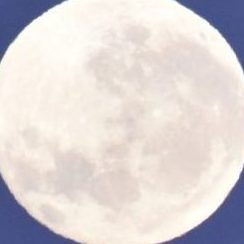
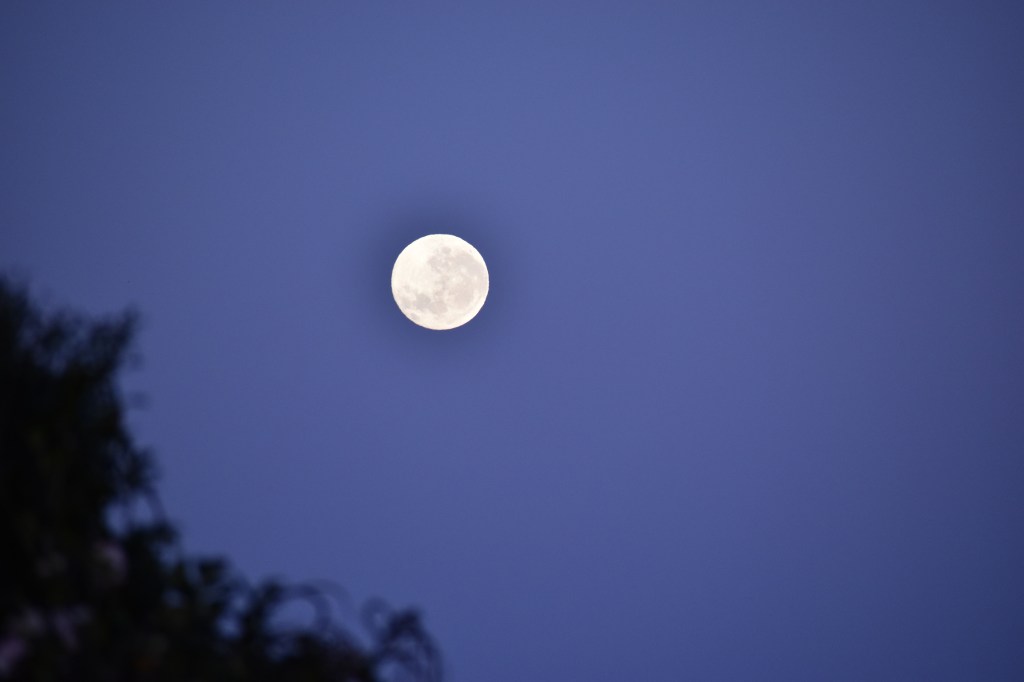
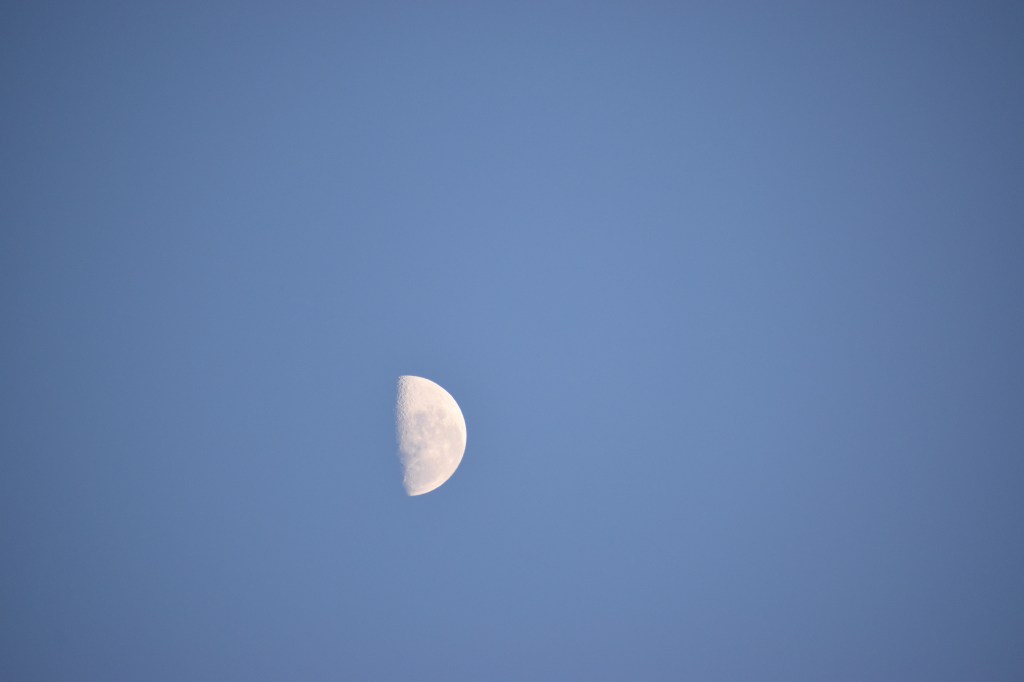
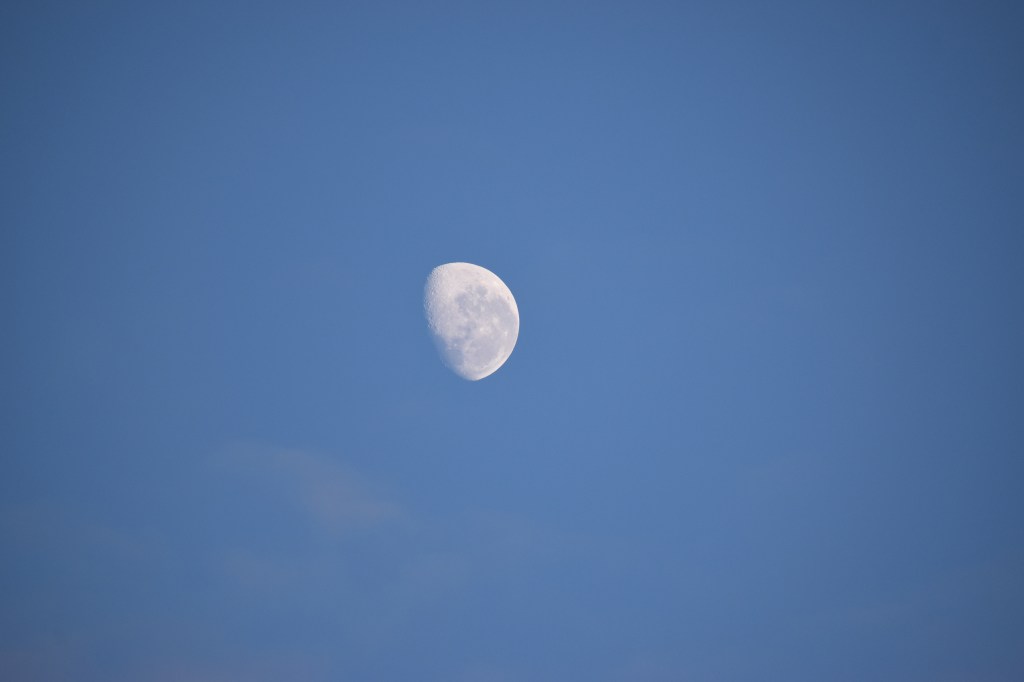
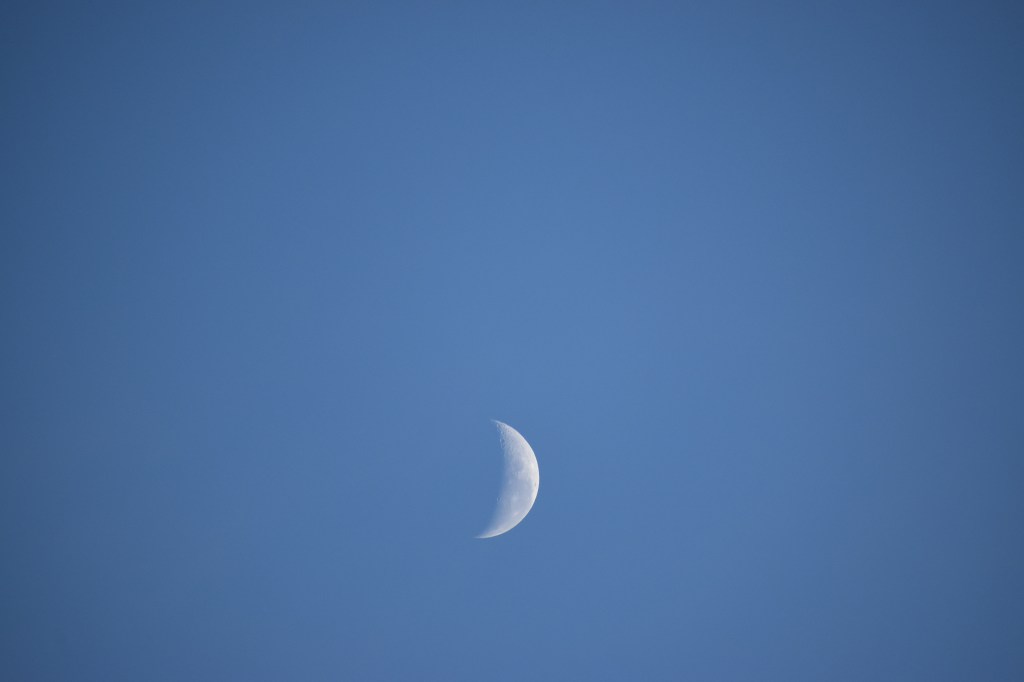
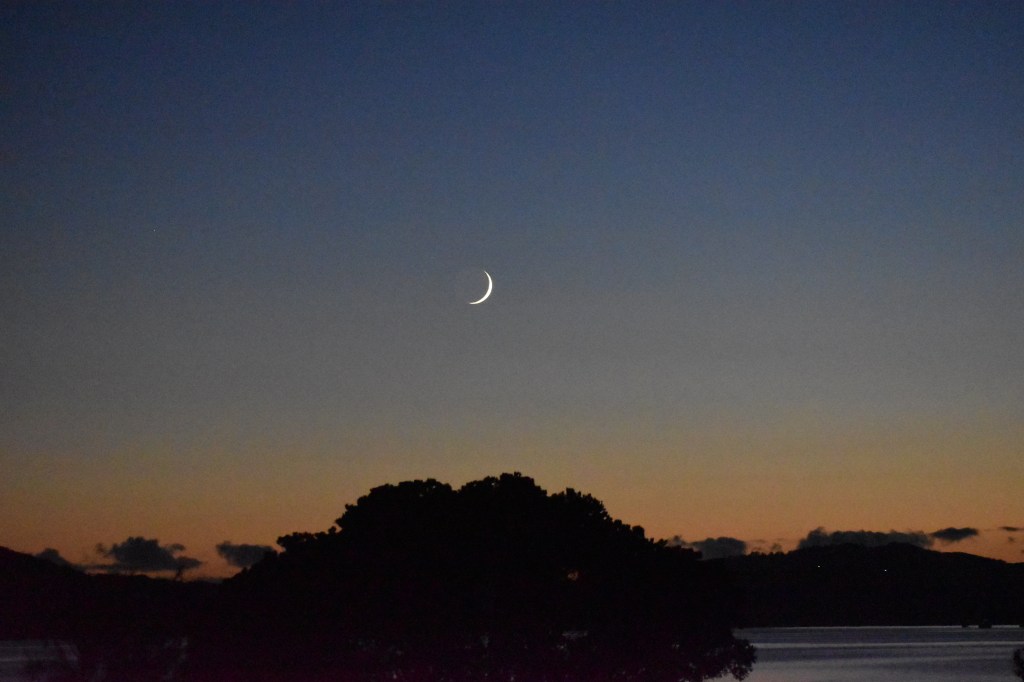
A collection of moon phase photography at Motupapa
The moon is a ‘tohu’ of the current day. Māori calendar days are observed from moonrise to moonrise (irrespective of the sun), so sometimes you move through two marama phases in a 24-hour period.
Rākaunui is the Māori name for full moon, and it appears brightest when it is setting in the west at the same time as the sun is rising in the east; hence capturing the full light reflection of the sun. Oppositely, when the moon is rising at the same time as the sun on the eastern horizon, the visibility of the moon is lost in the light of the sun; this is called Whiro (new moon). The moon rises 50 minutes later every day and has a lunar cycle of approximately 29.5 days.
The visible side of the moon indicates whether the moon rose before or after the sun; if it’s illuminated on the right side, it is a waning moon and it rose before the sun, and if it is illuminated on the left side, it is a waxing moon and it rose after the sun.
 Alyssa in Antarctica
Leave a comment