Observing a baseline of environmental occurrences in Antarctica

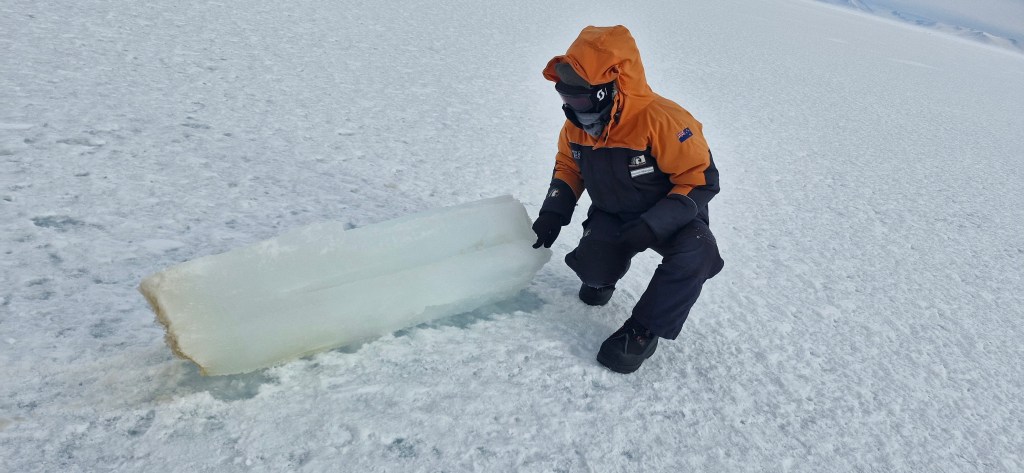
The main reason we are here is to observe, record, and describe rhythms of the natural environment. As this is the beginning of this type of work in Antarctica, we are starting with collecting baseline information which will be used in the future as a reference to show how things have changed/shifted over time. The knowledge we gain will be applied in new climate change adaptation scenarios and marine protection strategies.
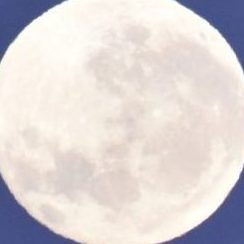
A lot of time we are following the movement of the moon, and also the high and low tides. Now that the sun is above the horizon the whole time, it’s a bit harder to distinguish it’s movements throughout the day but we still record its position in the sky. We have a telescope that I’ll continue to use to observe the phases of the moon.
Another project we are partnered with is looking at seafloor seeps in the Antarctic cryosphere. Our contribution involves applying a Māori lens over this concern to see how interpreting the seeps as ‘tohu’ could help identify issues before they reach ‘tipping points’ (too late).
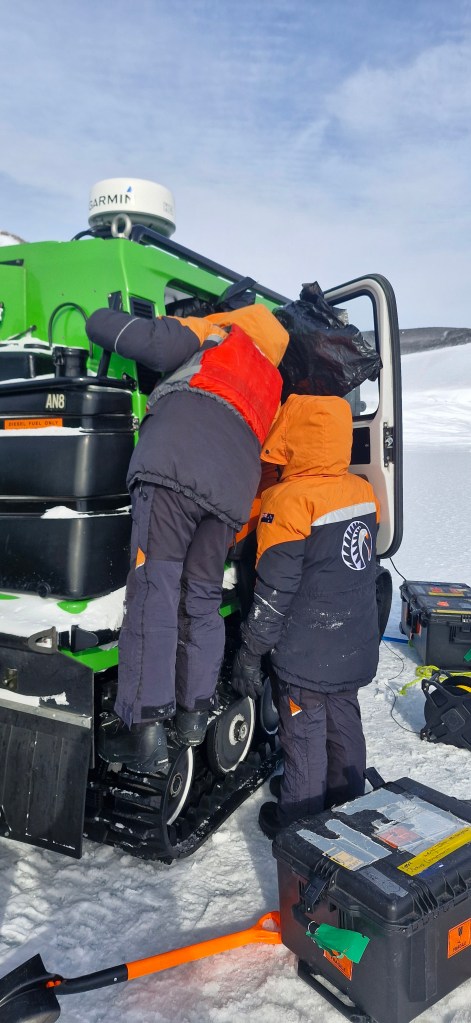
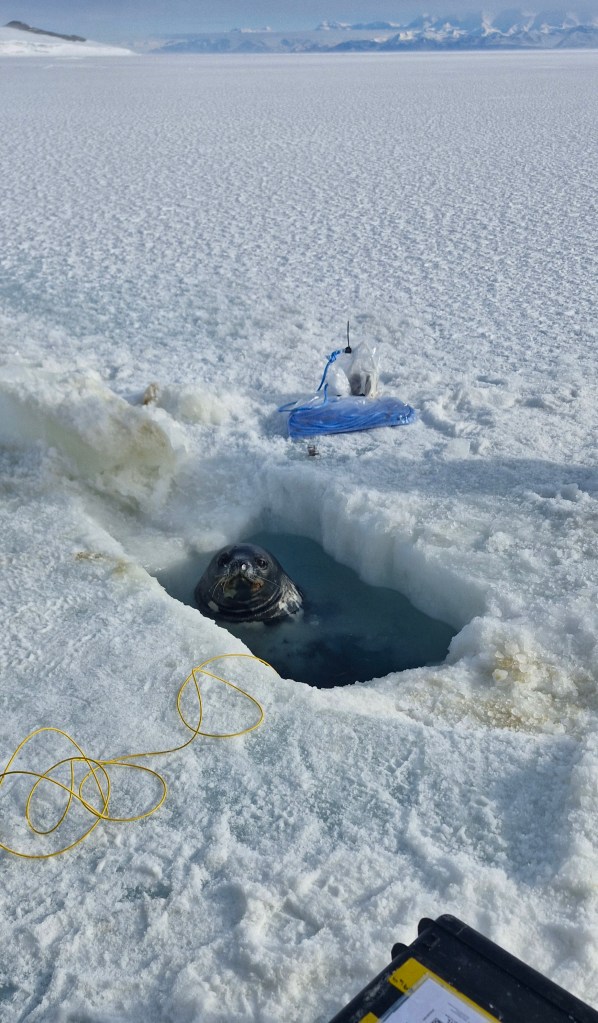
We headed out to Cinder Cones to explore a new location and determine if the methane seeps are present. Sometimes the seeps can be found by the presence of microbial mats on the seafloor, and these all create big issues for the ecosystem and food chain too. Their work includes sending a Remote Operated Vehicle (ROV) down to view the sub-ice processes.




 Alyssa in Antarctica
Leave a comment